Looking to Sell or Let?
Begin your journey with a free property valuation. Get the facts and figures to make informed decisions.
Property Valuation
"*" indicates required fields


Major lifestyle changes can sometimes have an unexpected impact on your home life; whether it’s because of a growing family, a change in your working patterns or an older family member moving in. Even the most spacious of homes, can feel small and unsuitable for such changes in your living arrangements.
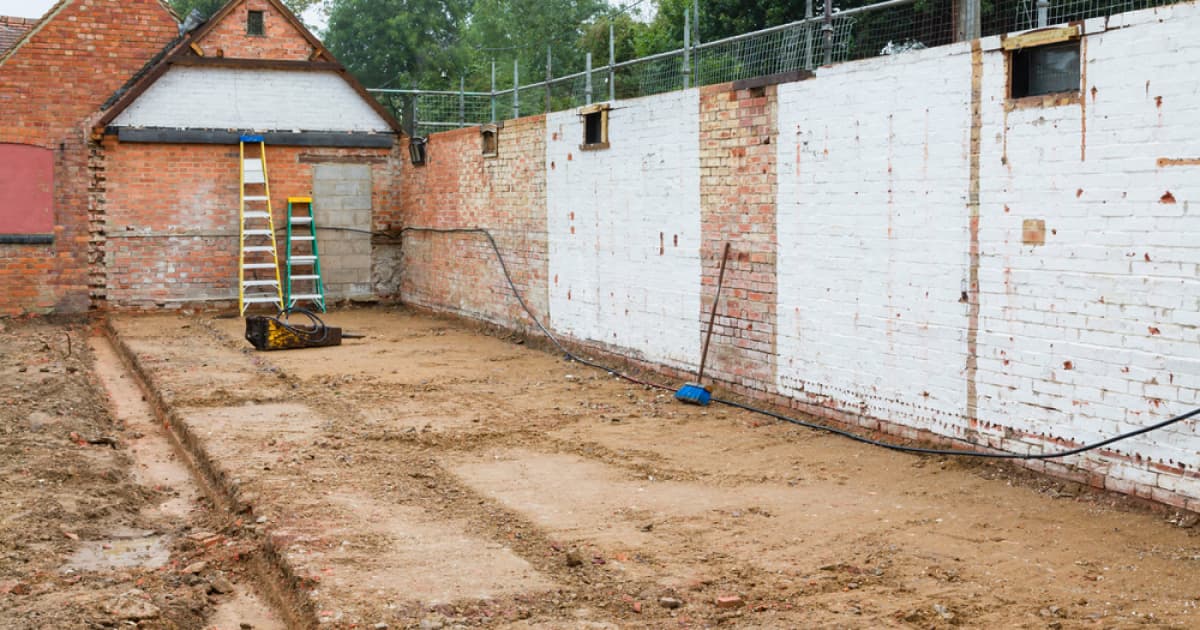
While the most obvious decision is to upsize, for some, this isn’t an option, leading to many converting existing outbuildings into a brand-new living spaces.
What Counts as An Outbuilding?
An outbuilding can be anything from stables and barns in rural settings, along with garages and even old coal sheds, which are common in smaller urban properties.
In 2008, the Government relaxed some aspects of local planning regulations, which means it is now possible to convert outbuildings into residential annexes without planning permission, so long as that building doesn’t become an independent residence in its own right.
This means you’re able to build a guest room, home office, greenhouse or children’s play area. However, if you intend to convert the building into a habitable space, it must be upgraded to meet building regulation requirements for ‘a material change of use’.
This will mean insulating the building structure and double-glazing windows and doors. If you’re looking to install plumbing, heating or electrics, these will all need to be fitted by qualified professionals to also comply with building regulations.
Bear in mind though, that this law can only apply to outbuildings that have been on the premises for at least four years, and have not previously been used as a residence.
Conversion Types
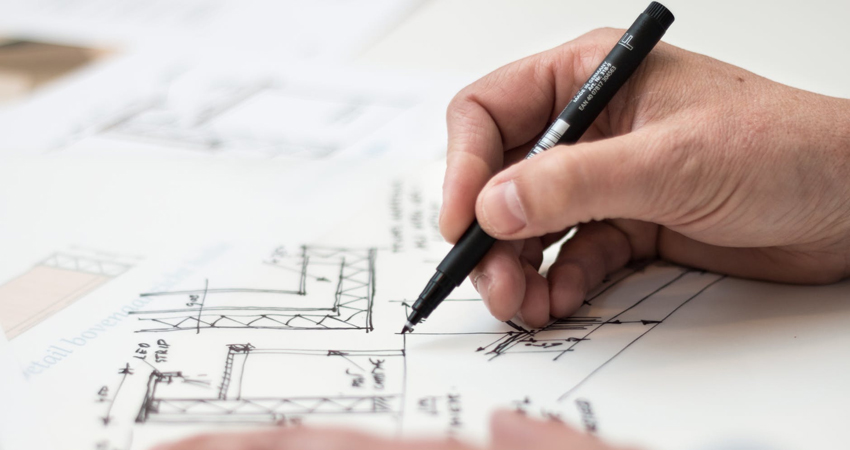
The time, money and effort that you’ll need to invest to convert your outbuilding will depend largely on the kind of building you have and what you want to use it for.
If you intend to use the building year-round, you may also need to consider an appropriate heating and lighting system, which we’ll cover in more detail below.
If the building is to be used as a guest annexe or a working space, such as a studio or a home office, you’ll need to install sockets, internet and running water.
Before undertaking any part of the project, it’s a good idea to make a list of what you’ll need before you move to the next stage. This can help to calculate costs and give you an idea of the kinds of tradesmen you need to get in touch with.
If you’re looking to convert an outbuilding into an independent residence, i.e. a building with a functioning bathroom and kitchen, you will need to apply for planning permission. Once the conversion has been turned around, you will then be required to pay council tax, which must still be paid even if the building is unoccupied, although this will drop 50% once the property has been empty for over six months.
Damp-Proofing & Insulation
As you build up the insulation in a building, it becomes far easier and cheaper to heat, which means opting for the economical option will cost you more money in the long run.
Insulation can be added to the interior of a single-skinned building, in between the original structure and the plaster interior. Admittedly this will slightly reduce the space within, but it will make the room far more pleasant by keeping it cool in summer and warmer in winter.
Damp-proofing will also help to prevent mould and rising damp emerging within the interior of the building. A damp course should be fitted during the construction of the inner layer of the building.
For wooden structures, a concrete bottom with a damp proof layer could be used, or the entire structure could be raised from the ground using blocks with a slate barrier in between.
Plumbing
If you’re using your outbuilding as another room or a working space, it would be ideal to have a running water source and a bathroom. To do this requires plumbing into the sewer system on your property.
A blue plastic water pipe will be buried underground, with a connection to the mains near the stopcock of the main property, with an isolating tap.
Electricity
Installing electricity can make a massive difference to how you can use your conversion. Before you call in the professionals think about how you will be using the space, and therefore what your electrical needs might be.
You could do all the preliminary wiring yourself, which will mean locating socket and switch points where you think they’ll be needed. However, if you’re unsure on this point, then you should work with the electrician to place the sockets in the right place instead.
If you don’t wish to connect your electrical supply to the national grid, you could look into solar panels, which will typically produce enough electricity to power small electrical items and lighting.
Choosing a solution like this will largely depend on how much electricity you will need and whether the system is required throughout the year. Solar panels will obviously not be as reliable during the winter months, but they will probably be all you need if you’re using the space exclusively during the warmer months.
Heating
Unless your outbuilding is within close proximity to your home, you won’t be able to extend your central heating to use within your conversion. In this case, you may wish to consider a more portable solution, such as a fan heater or an oil radiator.
It may also be possible to install a wood burner; however, this will depend largely on the space available and what the structure is made of. Again, this goes back to insulation; the better that is, the easier it will be to keep warm.
Still, if you are considering solar panels to create heat energy, remember that this will be a mostly ineffective solution during winter. The best workaround to this is to invest in fluid-filled solar panels, which circulate heat through underfloor heating. If the flooring is well insulated, it will provide heating during daylight hours.
We are able to lend our expertise throughout the whole planning process, so if you have any questions about what we’ve covered in this blog, or you’re interested in any of our other services, then don’t hesitate to contact us.
Begin your journey with a free property valuation. Get the facts and figures to make informed decisions.
"*" indicates required fields
Want to discuss something more specific? Contact us, and we will be more than happy to help you.
"*" indicates required fields

Spring is a time for activity and renewal, bringing new vitality that can significantly impact the market for residential properties in the
Article Summary: Key Trends and Predictions for the UK Property Market in 2025 As 2025 gets underway, the UK property market stands

At the end of October, Chancellor Rachel Reeves unveiled Labour’s first budget in 14 years – what was undoubtedly a notable o...


We have just sold and completed a move into our new home, with the help of Lois and Ellie who have been excellent throughout the process, keeping us informed of progress and always being available when we needed them. I would have no hesitation recommending K...

nusaiba 2026
Kunal Dattani
Rowan Lawton
Tricia Lewin
Simon Allen
Lucy Sidorowicz
David Oakman
Charlotte

|