


"*" indicates required fields
"*" indicates required fields
We specialise in period properties, residential sales and land purchases in Leicestershire. We are local estate agents Leicestershire, which perfectly places us to meet and manage your needs across the county.
We are an established presence in the area, which means we can assist you whether you’re looking to buy or sell property or land, or you simply require expert advice.
"*" indicates required fields
Explore the property services we offer across the Leicestershire region – from residential sales to rural land development.
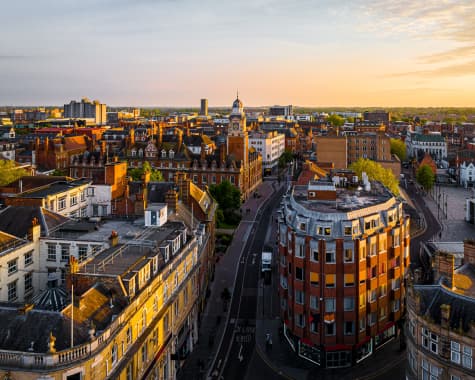
Avoid the common pitfalls of the home selling process with our expert estate agents in Leicestershire. As a local team with over 25 years’ experience in the local market, we can help your property sell for the price it deserves as efficiently as possible.
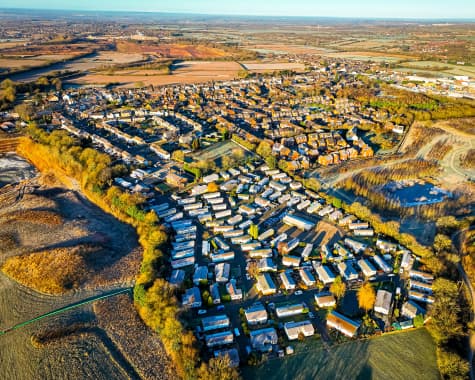
If you’re concerned about the complexities of property management – we can help. Let us take on the burdens of admin, compliance, tenant finding and more, so you can get the most from your rental investment.
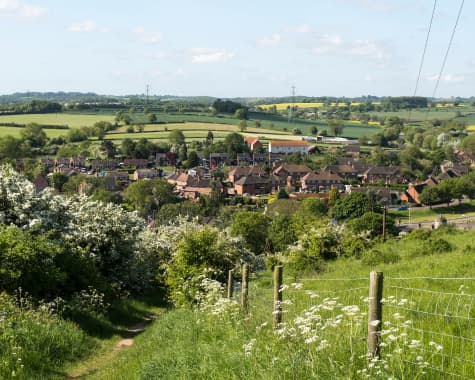
We offer a full package of specialist land services across all Leicestershire – handling rural land, commercial property, and development land transactions. Get in touch with us today for expert-led advice and services.
"*" indicates required fields
"*" indicates required fields
Click below to book a valuation with one of our team members
Talk to our Leicestershire team for expert advice and services across the board – from land management to sales and lettings.

Development Land Consultant

Residential Sales

Land Management

Associate Director

Associate Director

Accounts Manager

Residential Sales

Director

Director

Lettings & Property Management
Talk to our expert team of estate and letting agents in Leicestershire.
10 Church Square, Market Harborough, LE16 7NB
01858 435970 01858 435970
"*" indicates required fields
"*" indicates required fields

Looking to find out more about Leicestershire? Take a look at the information below to get a feel for the area.
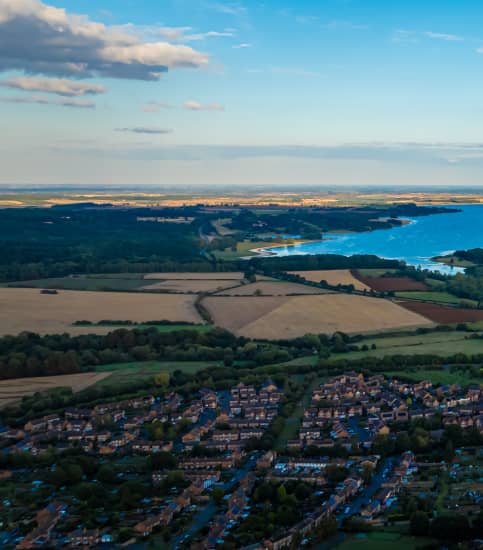
Leicestershire is a large, predominantly rural county in the East Midlands, stretching across 830 square miles and home to over one million people. The county town of Leicester sits at its centre, a city with Roman origins and one of the oldest continuously occupied settlements in England.
Beyond the city, the county is defined by a patchwork of market towns, small villages and open countryside, from the rocky outcrops and ancient woodland of Charnwood Forest to the flat, pastoral farmland of the Soar and Wreake valleys.
The market towns give the county much of its identity. Melton Mowbray is famous for its pork pies and Stilton cheese, and its livestock market is still one of the busiest in the region.
Market Harborough, consistently named among the best places to live in the East Midlands, is known for its well-preserved high street and grammar school building. Ashby-de-la-Zouch retains its castle ruins and a slower pace, while Loughborough, home to one of the country’s top-ranked universities, has a younger, more university-influenced feel.
Property styles: Leicestershire’s housing stock is notably varied, shaped by the county’s geography and its long history of settlement. In Leicester itself, Victorian and Edwardian terraces are widespread, particularly in Clarendon Park, Stoneygate and Aylestone.
The market towns of Market Harborough, Melton Mowbray and Ashby-de-la-Zouch feature Georgian and Regency townhouses alongside older stone-built properties.
In the more rural parts of the county, thatched cottages, converted farmhouses, stone-fronted manors and former rectories are typical, especially across the rolling countryside east of the Soar valley and in and around Charnwood Forest.
Former agricultural buildings, including barns and stable conversions, are also a notable part of the rural property landscape, which may be of particular interest to buyers looking for land and outbuildings suited to equestrian, agricultural or smallholding use.
Key areas and streets: Harborough district is the most expensive part of the county, with villages such as Great Glen, Kibworth and Billesdon commanding strong prices.
Stoneygate and Knighton in Leicester remain among the most sought-after city addresses, while areas such as Quorn, Rothley and Barrow upon Soar in Charnwood offer easy links to Loughborough and the open countryside.
For larger country properties and agricultural land, the Vale of Belvoir in the north-east and the Lutterworth and Market Bosworth areas to the south and west are particularly well regarded.
Development: Leicestershire topped the UK for new build development launches in 2025, with 20 new sites established across the county. Large-scale projects include New Lubbesthorpe, a 4,000-home development between Leicester Forest East and Enderby which already has over 900 occupied homes, a primary school and a planned shopping centre.
Leicestershire sits at the heart of England, which gives it strong links by road, rail and air to the rest of the country. Whether you need to get into central London, across to Birmingham, or up to Nottingham and beyond, the county is well placed for regular, direct travel.
Leicestershire is a county where centuries of history sit alongside open countryside and working agricultural land. From medieval battlefields and country houses to heritage railways and one of Britain’s oldest deer parks, the county has plenty to explore beyond the city limits.
Leicestershire’s economy is shaped by its central location and its strong tradition in manufacturing, logistics and agriculture. The county’s position within the so-called ‘Golden Triangle’ of logistics — the area bounded by the M1, M6 and M69 — makes it one of the most important distribution and warehousing locations in the UK.
Magna Park at Lutterworth, one of Europe’s largest dedicated logistics parks, is home to major occupiers including Toyota, Asda, Disney and DHL, and the nearby East Midlands Gateway and Mercia Park sites have added further capacity. East Midlands Airport, the UK’s largest pure freight airport, is also within the county.
Beyond logistics, Leicestershire retains a significant manufacturing base, accounting for around 13% of the local workforce compared to a national average of 8%. Advanced engineering, automotive components and food production are well established, with Melton Mowbray recognised as a centre for food manufacturing.
Find out all you need to know about Leicestershire, from its market towns to its location.
The ancient and historic town of Hinckley has long been a location of prominence in the Leicestershire area. Hinckley developed from a small market town to a large manufacturing hub for the production of stockings and hosiery. The town is also famous for being the site of the Battle of Bosworth.
Estimated Population: 49,408
Points of Interest: Burbage Common & Woods, Bosworth Battlefield Heritage Centre, Triumph Motorcycle Heritage Centre, Bond Street Distillery, Concordia Theatre
Outstanding Public Schools: Westfield Infant School, Hinkley Parks Primary School, Saint Peter’s Catholic Primary School, Sketchley Hill Primary School
Private Schools: Dorothy Goodman School
Leicester’s first settlers arrived in the region around 2000 years ago. During the 19th century, Leicester became a major economic hub due to its interests in engineering, shoemaking and hosiery production.
These days, the city is known for its diversity, hosting a variety of annual festivals – some of which the largest of their kind. These include the Pride Parade, the largest Caribbean Carnival outside of London, and the biggest Diwali celebrations anywhere in the world outside of India.
Estimated Population: 355,218
Points of Interest: National Space Centre, Bradgate Park, Abbey Park, New Walk Museum, King Richard III Visitor Centre, Curve Theatre, King Power Stadium, Welford Road Stadium
Outstanding Public Schools: Sparkenhoe Community Primary School, Highfields Primary School, Charnwood Primary School, Uplands Infant School, Abbey Mead Primary Academy, Christ the King Catholic Academy
Private Schools: Ratcliffe College, Leicester Grammar School, Leicester High School for Girls
While Loughborough is principally known as a university town, it has previously been involved in the production of clothing and was home to the John Taylor & Co bell and Falcon works – which produced steam trains. The town is also known as the first package tour location for travel agent Thomas Cook.
Estimated Population: 66,611
Points of Interest: Great Central Railway, Beacon Hill Country Park, Manor Farm Park & Woodlands, Burleighs Gin, John Taylor Bellfoundry Museum, Charnwood Museum
Outstanding Public Schools: Booth Wood Primary School, Ashmount School, Holywell Primary School.
Private Schools: Fairfield Prep School, Loughborough Amherst School, Loughborough Grammar School, Loughborough High School, Welbeck Defence Sixth Form College
Lutterworth is a traditional market town, that has developed during its history due to its unique position in the centre of the route between London and Oxford – which is still an important factor for businesses today. Frank Whittle, the inventor of the jet engine, also developed some of the world’s first prototypes in the town during the 30s and 40s.
Estimated Population: 10,854
Points of Interest: Stanford Hall, Manic Minors Adventure Playground, Lutterworth Museum
Outstanding Public Schools: Lutterworth High School, St. Mary’s Church of England Primary School, Gilmorton Chandler Church of England Primary School, Lutterworth College.
Market Harborough is a historic town with very traditional roots, which over the years, has become home to several industries from manufacturing, clothing, rubber and light engineering. The historical roots of the town can still be seen with the still standing 17th century covered market and the old grammar school. Market Harborough is also the location of our first office, which we opened back in 1998.
Estimated Population: 25,669
Points of Interest: Harborough Museum, The Old Grammar School, Farndon Fields Farm Shop, Avalanche Adventure, Harborough Theatre, St Dionysius School
Schools: Great Bowden Academy, St Joseph’s Catholic Academy, Welland Park Academy, Little Bowden School, The Robert Smyth Academy, Farndon Fields Primary School
Private Schools: Brooke House College
The town of Melton Mowbray in Leicestershire is perhaps best known for its involvement in the food and drinks industry, most notably for the production of Stilton cheese and pork pies. In recent years Melton Mowbray has been promoted as the ‘Rural Capital of Food’.
Estimated Population: 27,623
Points of Interest: Melton Country Park, Twinlakes Family Theme Park, Belvoir Brewery, Glastonbudget, The Corn Cross, Melton Antiques & Collectables
Outstanding Public Schools: Saint Francis Catholic Primary School, Brownlow Primary School, Long Field Academy, Birch Wood, John Ferneley College, Ashfordby Hill Primary School
Leicestershire is in the East Midlands of England, roughly in the centre of the country. It is bordered by Derbyshire and Nottinghamshire to the north, Rutland to the east, Northamptonshire to the south-east, Warwickshire to the south-west and Staffordshire to the west.
The county town, Leicester, is approximately 90 miles north-west of London, 33 miles east of Birmingham and 21 miles south-west of Nottingham. The M1 motorway runs through the county from north to south, placing it within straightforward reach of most major English cities.
Yes. Leicestershire is a ceremonial county in the East Midlands, covering an area of around 830 square miles.
It is made up of seven local authority districts — Blaby, Charnwood, Harborough, Hinckley and Bosworth, Melton, North West Leicestershire and Oadby and Wigston — alongside the city of Leicester, which has been a separate unitary authority since 1997. Leicestershire County Council is based at County Hall in Glenfield, just outside the city boundary.
Leicestershire has a broad range of things to see and do, from outdoor pursuits to historical sites and family days out. Bradgate Park, one of England’s oldest and largest deer parks, is ideal for walking, while Charnwood Forest and the National Forest offer miles of cycling and hiking trails. History is well represented at Bosworth Battlefield, Belvoir Castle and the King Richard III Visitor Centre in Leicester.
The National Space Centre is one of the UK’s largest space science museums, and the Great Central Railway is the only place in the world where full-size steam engines can be seen passing one another on a double-track heritage line. The market towns of Melton Mowbray, Market Harborough and Ashby-de-la-Zouch are worth visiting for their independent shops, weekly markets and well-preserved architecture.
The ceremonial county of Leicestershire, including the city of Leicester, had an estimated population of around 1.13 million in 2024. The county (excluding the city) had a population of approximately 722,000 according to mid-2022 ONS estimates, making it one of the fastest-growing counties in England over the past decade.
Leicester itself is the largest city in the East Midlands, with a population of around 388,000. Other significant settlements include Loughborough, Hinckley, Melton Mowbray, Coalville and Market Harborough.
Leicestershire is known for several things that have shaped English history and culture. It is the county where the Battle of Bosworth took place in 1485, ending the Wars of the Roses, and where the remains of King Richard III were discovered beneath a Leicester car park in 2012. In food, it is the home of the Melton Mowbray pork pie, Red Leicester cheese and one of only three counties permitted to produce Stilton.
The county also has a long-standing association with fox hunting and equestrianism, and Robert Bakewell of Dishley pioneered modern selective livestock breeding here in the 18th century. More recently, Leicester City Football Club’s 2015–16 Premier League title win, against odds of 5,000 to 1, brought worldwide attention to the city.
Loughborough University is consistently ranked among the best in the country for sport, and the National Space Centre in Leicester is one of the UK’s leading science museums.


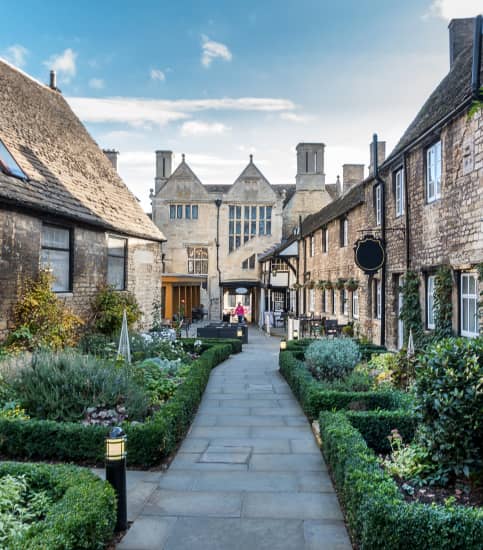



We have just sold and completed a move into our new home, with the help of Lois and Ellie who have been excellent throughout the process, keeping us informed of progress and always being available when we needed them. I would have no hesitation recommending K...

nusaiba 2026
Kunal Dattani
Rowan Lawton
Tricia Lewin
Simon Allen
Lucy Sidorowicz
David Oakman
Charlotte

|