Leicestershire: Key Areas & Locations Guide
Posted on 5th October 2026


"*" indicates required fields
"*" indicates required fields
As estate agents in Lincolnshire, we specialise in characterful rural properties, residential sales and land purchases throughout Lincolnshire. Our Stamford branch location has given us intimate knowledge of the area and the expertise to serve our Lincolnshire clients.
As a well-regarded specialist in the area, we can offer assistance whether you’re looking to buy or sell property or land, or you simply require specialist assistance.
"*" indicates required fields
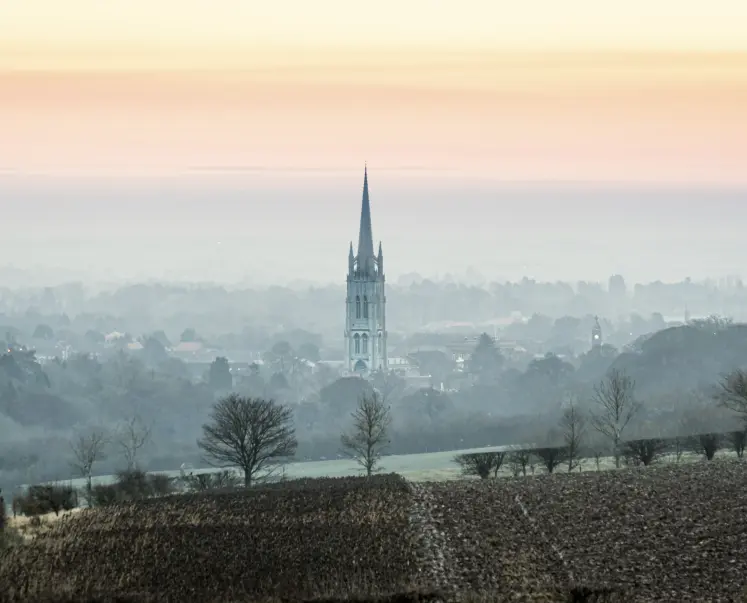
Selling your house can be challenging – from finding the right buyers to navigating complex rural property regulations. Let our Lincolnshire estate agents take care of the process, helping you avoid common pitfalls, showcase your property’s unique features – and ultimately secure its full value.
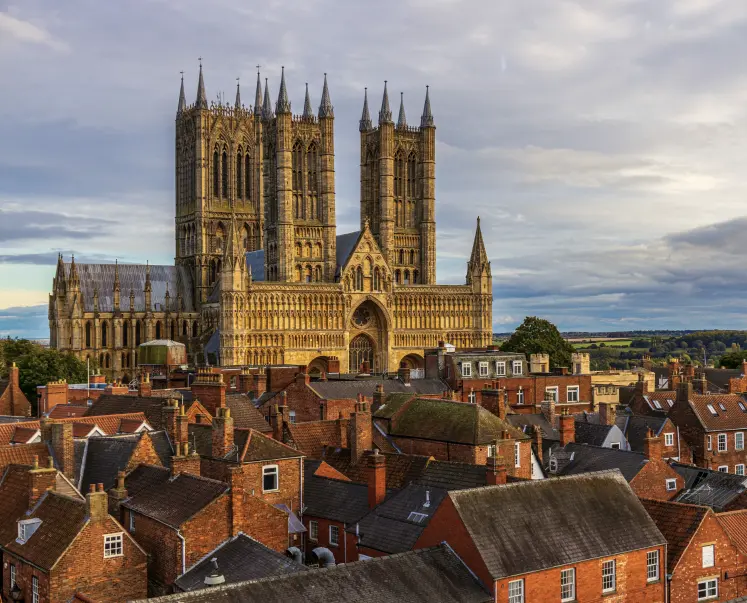
Being a landlord in rural areas brings particular challenges. Allow our Lincolnshire letting agents to handle your key concerns, from tenant finding and maintenance to agricultural tenancy law and compliance paperwork. That way, your rental property will stay profitable for the long term.
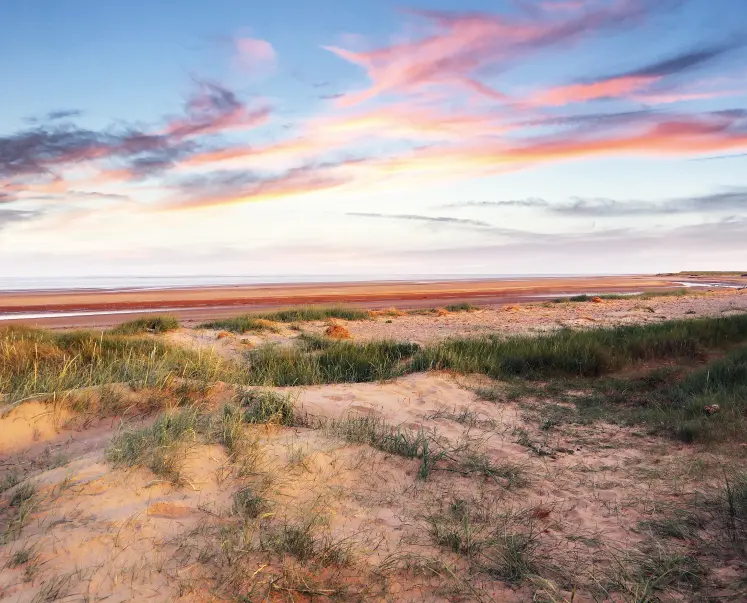
Enjoy our range of services that go far beyond estate agency across the Lincolnshire region. We are rural specialists, commercial agents, and handle development land transactions too. Get in touch with us today for a personal, specialised service that fits your needs.
"*" indicates required fields
"*" indicates required fields
Click below to book a valuation with one of our team members
Whether you need estate agents in Lincolnshire to sell your country home, or the assistance of our letting agents in Lincolnshire for rural property management – we can help. Talk to us today and let us help you towards the next step in your property journey with our specialist knowledge of agricultural and development land.

Development Land Consultant

Residential Sales

Land Management

Associate Director

Accounts Manager

Associate Director

Residential Sales

Director

Director
Talk to our expert team of Lincolnshire estate and letting agents.
13 St Mary's Street, Stamford, PE9 2DE
01780 484520 01780 484520
"*" indicates required fields
"*" indicates required fields

Keen to discover Lincolnshire’s vast countryside, historic market towns and traditional seaside resorts? From the rolling chalk hills of the Wolds to the flat fenlands and sweeping coastline, this county offers remarkable diversity across England’s second-largest county. Keep reading to see what Lincolnshire has to offer.
Lincolnshire stands as England’s second-largest county, stretching from the Humber estuary to the edge of East Anglia, encompassing everything from the rolling chalk hills of the Wolds to the flat, fertile fenlands and a 50-mile coastline.
This geographic diversity creates distinct regional personalities – from the cathedral city of Lincoln perched on its limestone ridge to the bustling fishing port of Grimsby and the traditional seaside resorts of Skegness and Mablethorpe.
The county’s agricultural heritage runs deep, with vast fields producing everything from potatoes and sugar beet in the south to cereals across the central areas. This farming tradition has shaped both the landscape and communities, creating scattered villages connected by quiet country roads and market towns that still serve as local centres.
We’ve selected some places of particular significance and interest across Lincolnshire, though admittedly many, many other worthy contenders exist.
The county showcases diverse architectural styles from Tudor farmhouses and Georgian market town properties to Victorian seaside terraces and modern rural developments.
Traditional limestone construction dominates in areas like Stamford, while the Fens feature characteristically modest brick cottages and converted farm buildings. The Wolds present stone-built village houses with period features, whilst coastal areas offer Victorian and Edwardian terraces alongside modern seafront developments.
Lincoln and Grantham host the finest examples of Georgian and Victorian townhouses, while rural areas preserve significant numbers of period farmhouses and agricultural buildings ripe for conversion. Historic market towns like Louth, Horncastle, and Market Rasen feature attractive mixed development from different eras.
Lincolnshire’s economy centres on agriculture, food processing, and manufacturing, with significant contributions from tourism and the public sector. The county produces 25% of the UK’s vegetables and 20% of its wheat, supporting major food processing companies including Cranswick, Bakkavor, and Greencore. These agricultural giants provide thousands of jobs in production, logistics, and technical roles.
Manufacturing remains strong with companies like Siemens Wind Power in Lincoln and numerous engineering firms serving agricultural and renewable energy sectors. The RAF maintains significant presence through bases at Coningsby, Waddington, and Cranwell, supporting both military personnel and civilian contractors.
Alford is one of the smallest towns in Lincolnshire. The town is perhaps best known for being home to a large 19th-century windmill and for Alford Manor House, which is thought to be the largest, thatched building in England.
The market town of Bourne is situated on the periphery of the Lincolnshire Fens and was originally a staging post along the Roman road which ran through the area. From an agricultural perspective, Bourne is known as the first place in England to produce sugar beet successfully.
Evidence of excavated vessels from a burial site in the 19th century confirm that Grantham has been occupied since the Neolithic era. Grantham is also noted as the first place in the world to have hired and trained female police officers, and as the home of former British Prime Minister Margaret Thatcher.
It is thought that the town of Horncastle, as it is now known, began to expand once the Roman’s built a fort on the site. From around the 13th century, the town was known for its horse fairs, which were held right up until the beginning of the 20th century. These days area is known for its thriving antique trade.
Spalding began life as a Roman settlement that was actively engaged in salt production. The town’s main industries are now crop and tulip bulb production. Spalding also hosts a number of annual events including the Tulip Parade and the October pumpkin festival.


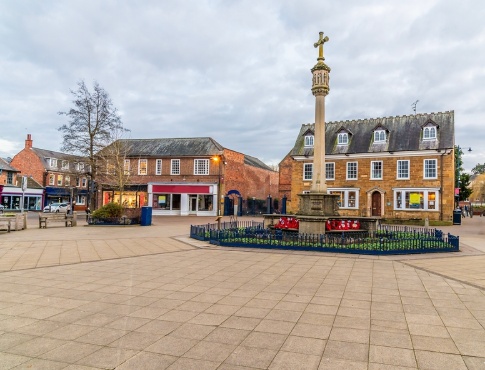
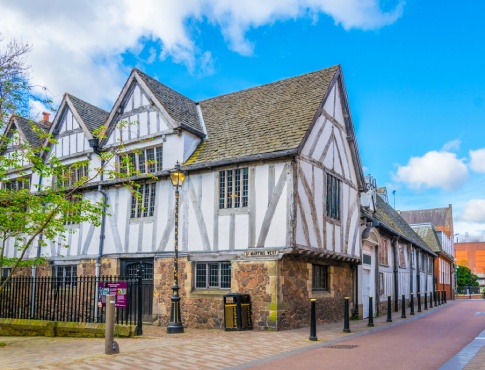
Posted on 5th October 2026
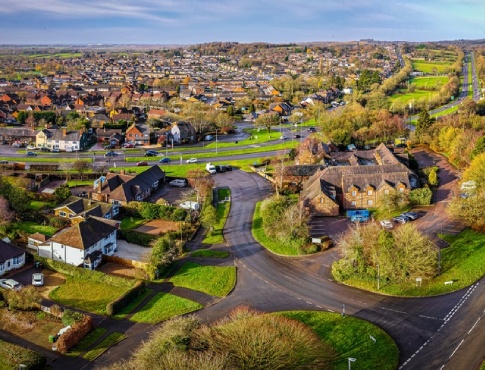
Posted on 5th October 2026


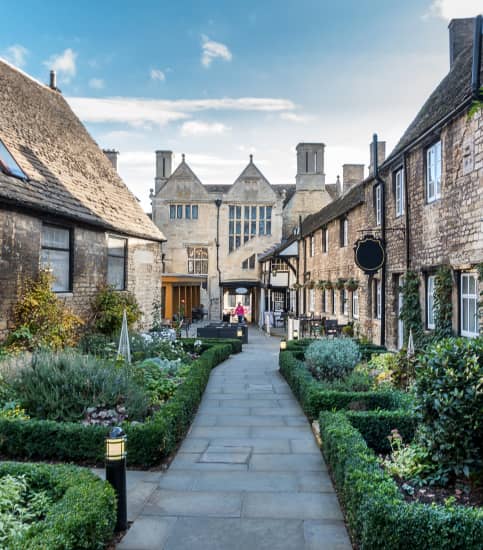

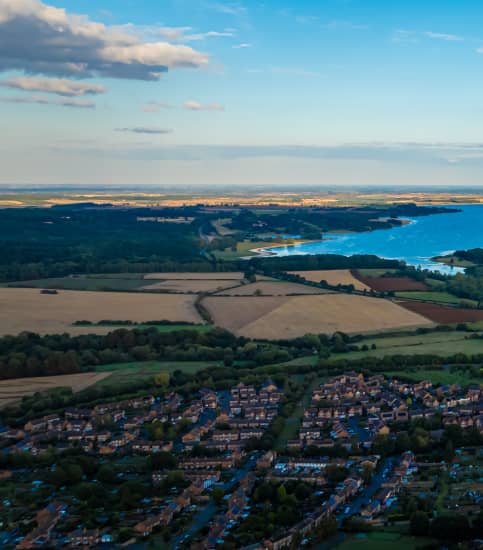


We have just sold and completed a move into our new home, with the help of Lois and Ellie who have been excellent throughout the process, keeping us informed of progress and always being available when we needed them. I would have no hesitation recommending K...

nusaiba 2026
Kunal Dattani
Rowan Lawton
Tricia Lewin
Simon Allen
Lucy Sidorowicz
David Oakman
Charlotte
Kuljinder

|