Looking to Sell or Let?
Begin your journey with a free property valuation. Get the facts and figures to make informed decisions.
Property Valuation
"*" indicates required fields


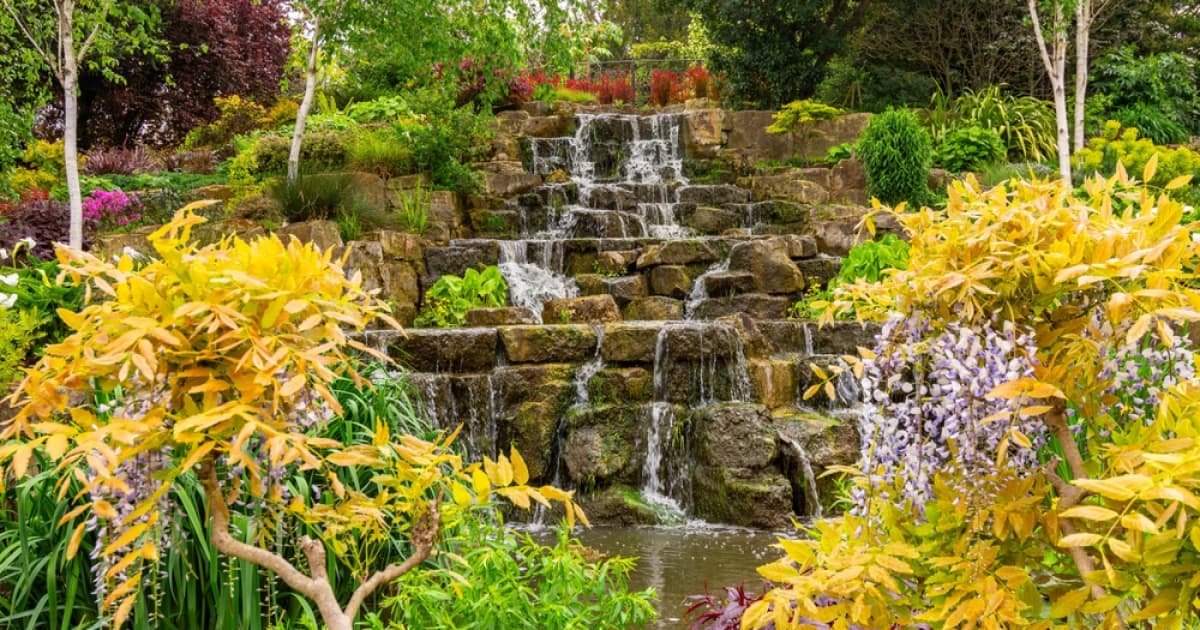
At King West we are experts in selling country houses across the East Midlands. And what is a country home without its garden? Outside space is a highly sought-after asset in the modern age, perhaps now more then ever, and a well-presented garden can add significant value to your home. In this blog, we have compiled some tips on where to start with your English garden design, so that by the end of the summer you can enjoy a well-earned gin and tonic while admiring your flourishing handiwork.
Let climate and soil type determine your plant choices
Before you go wild buying up plants, it’s important to make sure you pick the right ones for your garden by determining what soil type you are working with. You can also buy pH test kits online or from your local garden centre to test the acidity of your soil, which will direct you towards the plants that thrive in those conditions. Consider how sunny or shady your plot is. Some plant species will bask in the full sun, while others prefer a bit of shade. Bear this in mind when planning your garden as well as planting it out.
Select a colour scheme
Choosing plants that will produce complementary coloured flowers will give your garden a ‘theme’ and bring everything together nicely. Use the palette of your home, outdoor walls and fencing to guide you. A colour wheel can be a useful tool in determining which colours will work well together. Creating a mix of ‘hot’ colours, such as red and orange, and ‘cool’ shades, like purple and pale pink, also adds interest to a flower bed. If in doubt, choose white flowers to soften your colour scheme and add a touch of neutrality.
Opt for some English native species
Dog roses, foxgloves, honeysuckle, primroses – all are beautiful flowering plants available in a range of colours that are native to the UK. Planting these will not only make your garden feel patriotic and authentic, but they are wonderful for pollinators and other wildlife. Who wouldn’t want a garden full of butterflies and bees? Leaving lawns unmown during a month of the year (for example, No Mow May) is also great for British wildlife, and you can even sprinkle your lawn with native wildflower seeds.
Go for plants of different heights
It may seem obvious, but plant taller species in the background of a bed, medium plants in the middle and smaller plants at the front. Climbers make a great backdrop too, try clematis or jasmine for their lovely scent. Don’t be afraid of overcrowding – English country gardens are often best when they have a touch of the wild. Aim for organised chaos.
Pick plants that come to life at different times of the year
English gardens change drastically over the four seasons. As well as a good mix of annuals and perennials, plant spring bulbs, winter berries, evergreen shrubs, and trees such as maples that will you give a good show in autumn. Don’t forget to add herbs, fruits and vegetables in the warmer months!
Make good use of pots as well as flower beds
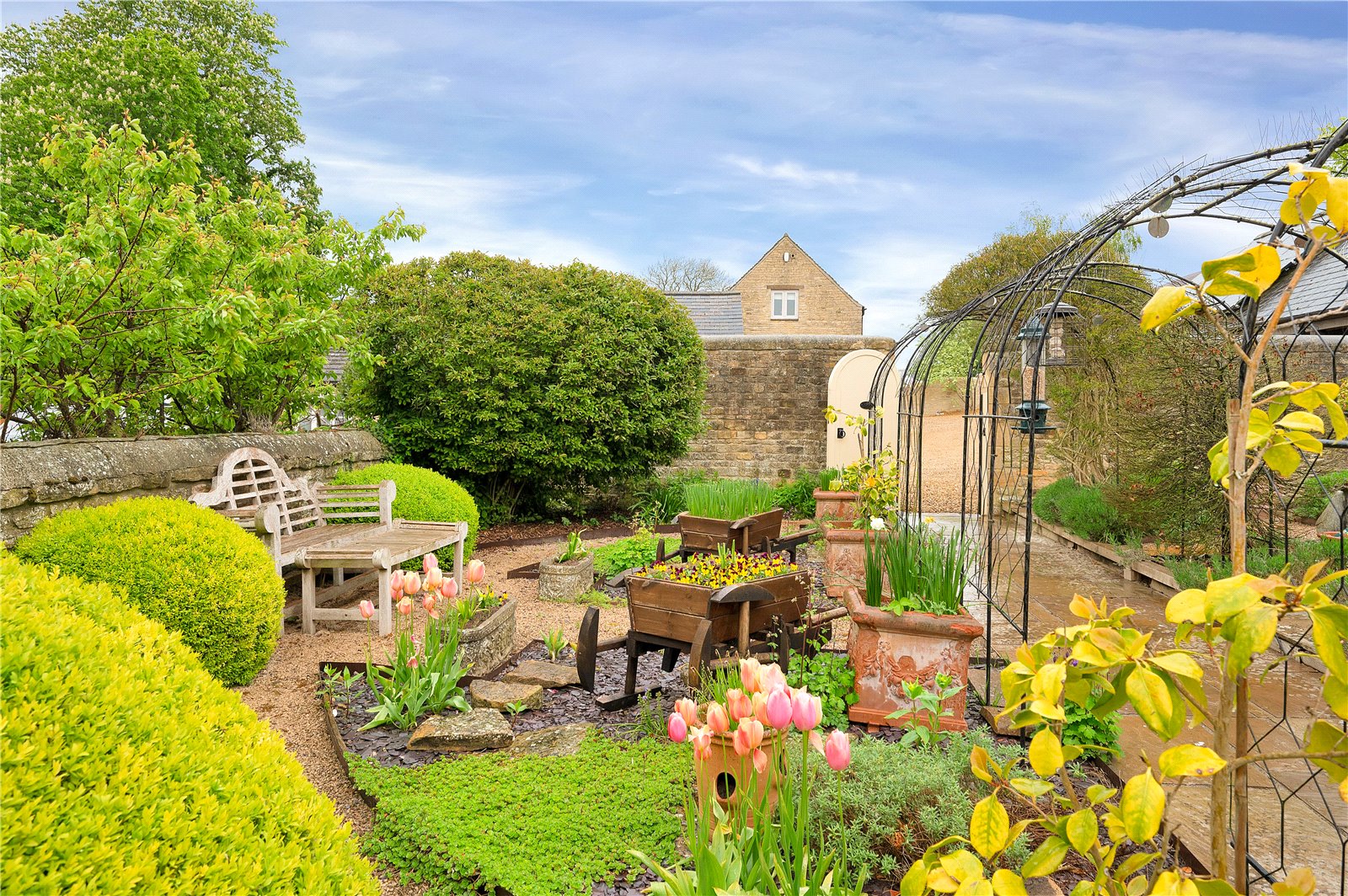
Pots are a great choice for paved or decked areas. Decorative pots can add a touch of British quirkiness to your garden, and are also good for growing herbs. You can move them around the garden throughout the year to keep the landscape interesting.
Consider a focal point such as a sculpture, water feature or arbour
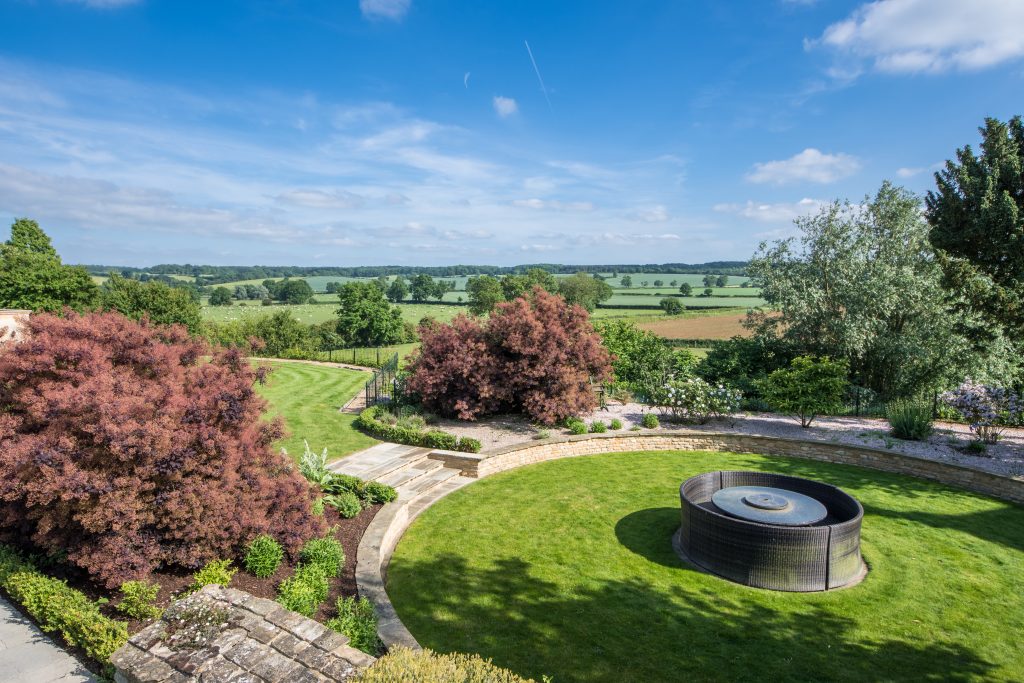
English gardens aren’t just about plants, they can also be a space for art and creativity. A water feature is a great traditional choice if you have the space, or perhaps an attractive outdoor sculpture. An arbour is a good choice for adding shade and introducing climbing plants. Even a bird feeder can be a stylish feature!
Invest in some lovely seating to enjoy the garden
After you’ve spent hours tending your garden, it’s important you create a comfortable space from which to sit back and enjoy the results of your labour. Garden seating options have come a long way in the last few years. Give some thought to which materials and styles will work best in your garden.
Begin your journey with a free property valuation. Get the facts and figures to make informed decisions.
"*" indicates required fields
Want to discuss something more specific? Contact us, and we will be more than happy to help you.
"*" indicates required fields

Spring is a time for activity and renewal, bringing new vitality that can significantly impact the market for residential properties in the

Article Summary: Key Trends and Predictions for the UK Property Market in 2025 As 2025 gets underway, the UK property market stands

At the end of October, Chancellor Rachel Reeves unveiled Labour’s first budget in 14 years – what was undoubtedly a notable o...


We have just sold and completed a move into our new home, with the help of Lois and Ellie who have been excellent throughout the process, keeping us informed of progress and always being available when we needed them. I would have no hesitation recommending K...

nusaiba 2026
Kunal Dattani
Rowan Lawton
Tricia Lewin
Simon Allen
Lucy Sidorowicz
David Oakman
Charlotte

|