Looking to Sell or Let?
Begin your journey with a free property valuation. Get the facts and figures to make informed decisions.
Property Valuation
"*" indicates required fields


One of the appeals of the Oakham property market is the large choice of property types. Buyers can choose between original Georgian or Victorian property in the town core or a more recent build on one of the estates that ring the town to the north and east. The ironstone and limestone buildings that line the town centre are generally well-preserved and the market town is large enough to have almost everything you need within walkable distance.
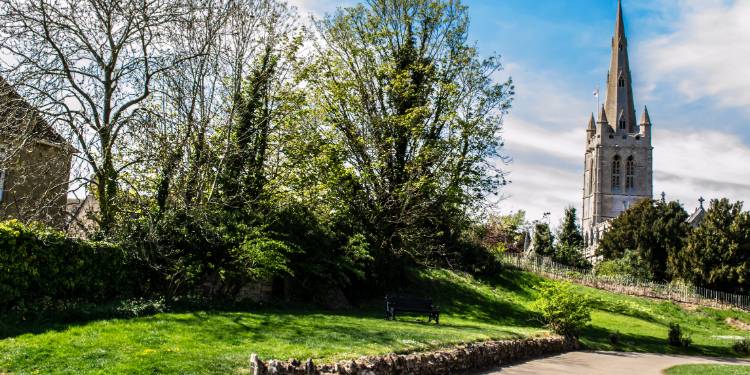
Rutland’s status as England’s smallest county by area has actually helped preserve Oakham’s scale. The town has grown, but not beyond recognition. The result is a housing stock that ranges from listed townhouses on the historic market place to 1990s and 2000s detached family homes on the outskirts, with a band of Victorian and Edwardian terraces and semis in between. For buyers from larger cities, there will be a compromise of less amenities but for many, the quieter lifestyle and community feel will make it worthwhile.
| Property Type | Typical Period | Typical Tenure | Approximate Price Range |
|---|---|---|---|
| Stone townhouse / Georgian terrace | 18th–early 19th century | Freehold | £400,000–£750,000+ |
| Victorian terrace | 1860s–1900s | Freehold | £220,000–£380,000 |
| Edwardian semi-detached | 1900s–1914 | Freehold | £280,000–£450,000 |
| Inter-war semi / detached | 1920s–1930s | Freehold | £250,000–£400,000 |
| Post-war estate housing | 1950s–1980s | Freehold | £200,000–£320,000 |
| Purpose-built flat | 1980s–2000s | Leasehold | £120,000–£220,000 |
| Modern detached / new build | 2000s–present | Freehold | £350,000–£600,000+ |
Price ranges are indicative and based on general market knowledge; buyers should request current comparable evidence from their agent.
The town centre and the streets immediately surrounding the castle and market place hold Oakham’s most architecturally significant stock. Stone townhouses here are built from the warm honey-coloured limestone and ironstone characteristic of this part of the East Midlands, this architectural detail runs through Stamford to the east and the Northamptonshire villages to the south. These properties tend to be substantial, with wide frontages, high ceilings, and original sash windows common, though the degree of preservation varies considerably from one property to the next.
Victorian terraces are concentrated in the streets to the south and west of the town centre, laid out as the railway arrived and the town’s working population expanded. These are typically two-storey, brick-built properties with slate roofs, more modest in scale than the Georgian townhouses but solidly constructed and, where unmodified, retaining good original detail.
Edwardian semis appear on the roads leading out towards Uppingham Road and the southern edges of the town, built to a slightly more generous footprint and often featuring the bay-fronted ground floors and decorative tile work of that period.
The inter-war and post-war estates occupy the northern and eastern fringes. These are predominantly detached and semi-detached houses built in brick, with off-street parking and gardens, and they attract buyers who want more internal space and lower maintenance demands than the older stock typically delivers. Purpose-built flats are scattered rather than concentrated, with small blocks appearing on several streets within walking distance of the town centre. These are the main entry point for first-time buyers and for landlords looking at the rental market.
Oakham town centre sits within a designated conservation area administered by Rutland County Council. The conservation area covers the historic core of the town, centred on the market place and extending to include the streets immediately surrounding Oakham Castle and All Saints’ Church. The designation reflects the exceptional concentration of pre-Victorian and early Victorian buildings in this part of the town, many of which are constructed in the local limestone that gives the streetscape its distinctive character.
Within the conservation area, permitted development rights are curtailed. Owners typically cannot alter the external appearance of a property, including window replacements, door changes, or alterations to roofline, without first obtaining planning permission from Rutland County Council.
Materials restrictions apply, for example, like-for-like replacement in natural stone or traditional materials is expected, and the council’s conservation officer will scrutinise proposals that would alter the character of a building’s facade. Buyers purchasing within the conservation area should budget for higher maintenance and repair costs, and should factor in the additional lead time that planning consent requires for any significant works.
Oakham Castle is a Scheduled Ancient Monument and one of the finest examples of late 12th-century Norman domestic architecture in England, known particularly for its collection of ceremonial horseshoes. All Saints’ Church is a Grade I listed building. The town also contains a number of Grade II* and Grade II listed buildings, including several properties on the market place and the surrounding streets. Buyers considering a listed property should obtain a full list entry from Historic England before proceeding, as listed building consent is required for any works affecting the character of the building, inside or out.
Rutland County Council’s planning portal holds the conservation area appraisal and detailed guidance on materials and design standards for works within the designated area.
These are the properties that define Oakham’s architectural reputation. The limestone here weathers to a warm buff-gold, which makes even modest examples look distinguished. The solid stone walls, while thermally heavy, are not insulated in any modern sense, and energy ratings on unmodified Georgian properties are typically poor. Buyers should treat heating costs as a material consideration.
The Victorian terraces in Oakham are broadly similar in type to those found across East Midlands market towns, but the proximity of limestone buildings means some incorporate stone detailing not typical of purely brick-built areas. These properties are popular with buyers seeking a town-centre property at a lower price point than the Georgian stock.
Edwardian semis in Oakham offer a practical middle ground: more internal space than a Victorian terrace, more architectural character than a post-war estate house. They are generally well suited to modern family use, though the floor plans can feel narrow by current standards.
This stock is less architecturally distinctive but tends to be structurally straightforward and easier to insulate and upgrade than the older periods. It attracts buyers who prioritise practicality over period character.
Oakham has seen steady residential development on its northern and eastern edges over the past decade, consistent with Rutland County Council’s local plan requirements for housing delivery. The Oakham North development, off Burley Road, brought a significant number of new detached and semi-detached family homes to the market, expanding the town’s footprint in that direction. Further phases and adjacent sites have followed.
Rutland County Council’s local plan identifies Oakham as the principal settlement for housing growth within the county, given its status as the county town and its access to services. Buyers interested in new build should check the council’s planning portal directly for the current status of live permissions, as delivery phasing changes. New build in Oakham tends toward conventional brick-built family housing rather than high-density flatted schemes, which reflects both the planning context and the buyer profile the area attracts.
The town’s scale means that significant flatted development of the kind seen in larger East Midlands towns is unlikely in the near term. Rutland County Council’s planning policy strongly protects the character of the historic core, which limits the scope for large-scale infill within the conservation area.
Outside space in Oakham is strongly correlated with property type and location. Georgian and early Victorian townhouses in the historic core vary considerably, some have generous walled rear gardens, others have very little usable outdoor space, and a small number are effectively town houses with only a small courtyard to the rear. Buyers targeting this part of the market should compare the availability of outside space if this is a priority.
Victorian terraces typically have a small rear yard or short rear garden, occasionally with a shared or private access lane. Front gardens are generally absent or token, with the front door opening directly onto the pavement or a tiled path. These properties are not suited to buyers for whom a garden is a primary requirement.
Edwardian semis offer more generous arrangements, with front gardens set behind low brick walls or privet hedges and rear gardens of reasonable depth. Inter-war and post-war estate housing provides the most consistent outside space: detached houses from this period typically have front and rear gardens, side access, and in many cases a garage or driveway providing off-street parking.
New build properties on the northern and eastern estates come with allocated parking as standard, and most have rear gardens, though plot sizes on the denser phases can be modest. Communal landscaping is a feature of some of the more recent schemes.
Oakham’s housing stock spans several centuries. The town centre holds Georgian and early Victorian limestone townhouses, with Victorian terraces and Edwardian semis on the surrounding streets. Inter-war and post-war detached and semi-detached houses occupy the residential estates to the north and east, and new build family homes have been added on the town’s outskirts over the past decade. Purpose-built flats are present in small numbers, mainly within walking distance of the town centre.
Yes. Oakham town centre is covered by a designated conservation area administered by Rutland County Council, centred on the market place and the streets surrounding Oakham Castle and All Saints’ Church. Within this area, external alterations to buildings require planning permission, and materials must meet the council’s conservation standards. A number of individual buildings are also listed, including Grade I, Grade II*, and Grade II designations.
The majority of houses in Oakham are freehold. Around 64% of Oakham residents are owner-occupiers, and freehold tenure is standard for houses across all periods. Purpose-built flats are the main exception and are typically held on long leases. Buyers of flats should check the lease length, ground rent terms, and service charge history carefully before proceeding.
Yes. Rutland County Council’s local plan identifies Oakham as the main focus for housing growth in the county, and new build development has taken place on the northern and eastern edges of the town, particularly off Burley Road. New build here tends to be conventional brick-built family housing rather than flatted development. Buyers should check Rutland County Council’s planning portal for the current status of live sites and phasing.
Oakham’s property market has a great deal to offer and rewards buyers who do their research. Whether you’re drawn to the limestone townhouses of the historic core or the practicality of the newer estates, King West can help you find the right fit. To discuss what’s available, contact us or register as a buyer to be kept informed as suitable properties come to market.
Begin your journey with a free property valuation. Get the facts and figures to make informed decisions.
"*" indicates required fields
Want to discuss something more specific? Contact us, and we will be more than happy to help you.
"*" indicates required fields

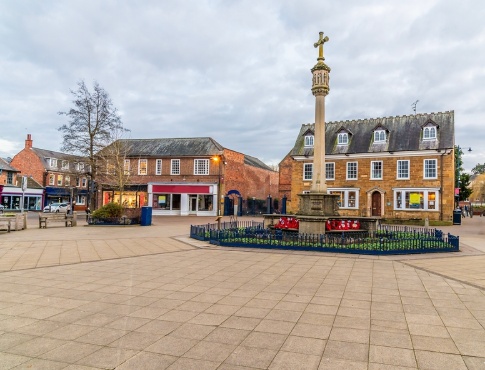
Two villages a mile apart in Leicestershire can sit in entirely different price brackets, school catchments, and conservation areas - and...
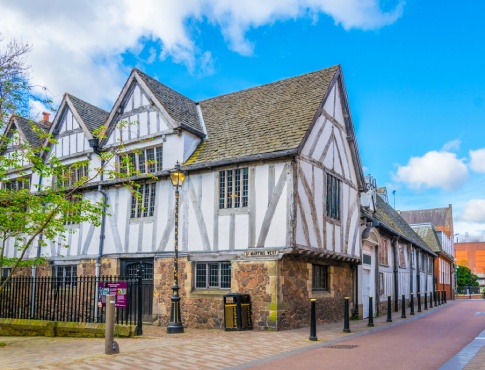
Leicestershire's property market is more complex than it first appears. From red-brick Victorian terraces in Leicester's inner suburbs ...
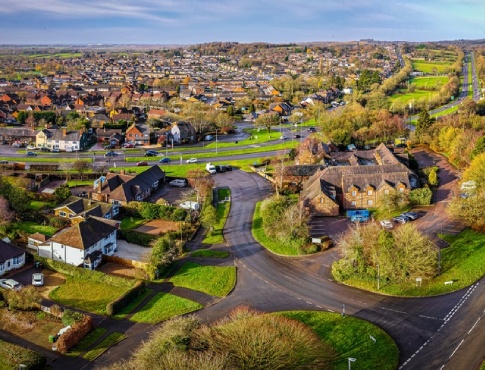
Buyers often arrive in Leicestershire having been priced out of somewhere else - and end up wondering why they didn't come sooner. With...


We have just sold and completed a move into our new home, with the help of Lois and Ellie who have been excellent throughout the process, keeping us informed of progress and always being available when we needed them. I would have no hesitation recommending K...

nusaiba 2026
Kunal Dattani
Rowan Lawton
Tricia Lewin
Simon Allen
Lucy Sidorowicz
David Oakman
Charlotte

|