Looking to Sell or Let?
Begin your journey with a free property valuation. Get the facts and figures to make informed decisions.
Property Valuation
"*" indicates required fields


Restoring a Grade II listed building is a complex process, however, by doing comprehensive research and understanding what is expected of you, you can make the process easier to ensure your project is completed sooner.
In this blog, we are going to cover the Do’s and Don’ts of dealing with the restoration of your Grade II listed building.
Do Know Your VAT Rights
Energy performance improvement work during a restoration triggers just 5% VAT. This means it is certainly worth looking into this before you pay any energy bills since there is no way of reclaiming that VAT once it has been paid.
Do Ensure Your Home Insurance Covers Listed Buildings
It is crucial to make sure that you are either using a specialist listed building insurance company, or your current insurance provider can cater to the requirements of a listed building. If something should happen, the Conservation Officer will insist that the property is reinstated with similar materials to match the rest of the building, and standard policies may not cover the full cost of any repairs.
Do Ensure You Get Listed Building Consent
Before taking the leap and buying a listed home, it is essential to ensure that you have the correct building consent paperwork for any works carried out by the previous owners of the property. Whether these works were taken under your ownership or not, you are unfortunately still liable for them, so it is worth making sure this is all above board.
Do Stay Organised
Keep all the paperwork for obtained permissions and plans together once your renovation is completed, these will be required if you choose to sell the property in the future.
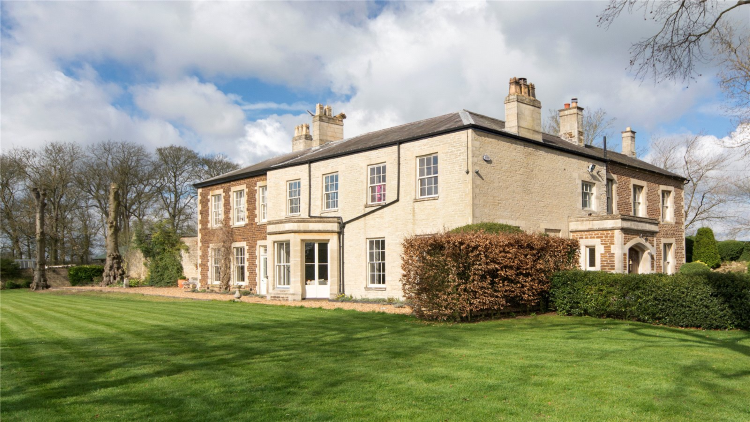
Do Not Mix Modern Repair Methods with Traditional Construction
Mixing modern repair methods with traditional construction techniques is something you should not be doing.
It is probably the case that the building will have been built with Lime Mortar, and by using cement to make repairs, you could be causing damage that cannot be reversed.
Do Not Remove Original Architectural Features
This includes doors, decorative stonework, windows, or fireplaces. By removing or altering them, you could be interfering with an integral element of the buildings’ listed status.
Do Not Assume You Are Free to do as You Please with the Garden
In a lot of cases, the gardens on listed properties will contain elements which will also be listed. Therefore, it is essential not to uproot trees, knock down walls or remove gates.
Do Not Rush
Take the time to really consider the changes you would like to make, seek advice from professionals and other listed property owners and keep in regular contact with the Conservation Office and Historic England.
Take your time to get to know the property; it has stood for many decades after all, so another couple of months consideration will do no harm at all.
The first stage of obtaining Listed Building Consent is to consult with your local Conservation Officer. Applications can either be processed online or through submitted paper forms, which you can find here.
If you are planning to extend or change the building in such a way that will affect its character, then you will need to obtain consent. This will also be the case if you are looking to demolish the building as well.
By undertaking work without the necessary consent on a listed building it means you are committing a criminal offence, which may result in financial penalties or even court action. So, in that respect, it is worth making sure this is obtained prior to carrying out work.

Unfortunately, there are no hard rules for that which can and cannot be changed without first seeking consent.
What can be acceptable in one authority, may not be the case for another, since it all comes down the discretion of the individual Conservation Officer.
Of course, the history of your property and the changes that have been made previously will all be taken into consideration.
When looking at your application, your local council will take heritage, special features, property location, community regard and many other aspects into consideration before making a decision.
This is why there are no standard rules to what will and will not be accepted because each property is different and therefore each application is measured on its own merit.
If you are applying for smaller renovations, then your local authority will have a target of eight weeks. Do be aware though, that this, like all government targets, does not guarantee anything.
This eight-week period will also include a twenty-one-day interlude where interested parties and your neighbours will be consulted on your plans.
To ensure that your application moves as quickly as possible and has the best chance of being approved, it is recommended that you arrange a pre-application meeting with your conservation officer.
If you require any help with your planning permission requirements, or you are interested in any of our other services, please contact us today.
Begin your journey with a free property valuation. Get the facts and figures to make informed decisions.
"*" indicates required fields
Want to discuss something more specific? Contact us, and we will be more than happy to help you.
"*" indicates required fields

Spring is a time for activity and renewal, bringing new vitality that can significantly impact the market for residential properties in the
Article Summary: Key Trends and Predictions for the UK Property Market in 2025 As 2025 gets underway, the UK property market stands

At the end of October, Chancellor Rachel Reeves unveiled Labour’s first budget in 14 years – what was undoubtedly a notable o...


We have just sold and completed a move into our new home, with the help of Lois and Ellie who have been excellent throughout the process, keeping us informed of progress and always being available when we needed them. I would have no hesitation recommending K...

nusaiba 2026
Kunal Dattani
Rowan Lawton
Tricia Lewin
Simon Allen
Lucy Sidorowicz
David Oakman
Charlotte

|